A fracking accident can leave a worker with burns, broken bones, lung damage, brain injuries, or other life-changing harm. Pittsburgh fracking injuries lawyers can investigate how an oil or gas site accident happened, identify whether a contractor or another third party may be responsible, and preserve evidence before it disappears.
Pribanic & Pribanic represents seriously injured workers and families across Western Pennsylvania, and we invite anyone with questions after a drilling or fracking accident to call for a free case review.
Pennsylvania has a large oil and natural gas industry, including thousands of unconventional wells that use high-pressure hydraulic fracturing. The work can involve heavy equipment, silica sand, chemicals, pressurized lines, trucks, elevated work areas, and flammable materials.
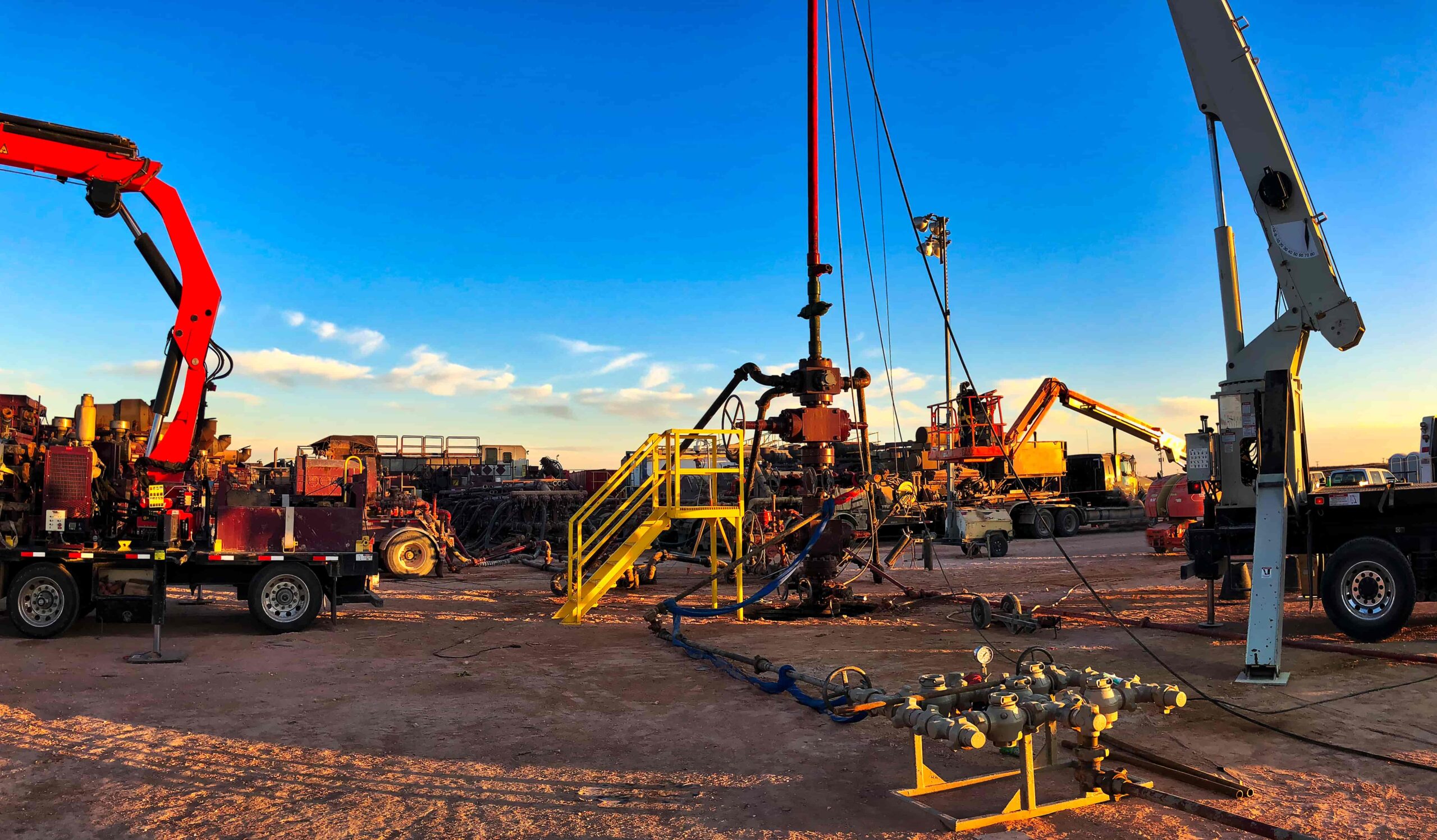
Why Fracking Sites Create So Many Injury Risks
Fracking sites combine industrial machinery, high pressures, vehicle traffic, hazardous substances, and several crews working in the same area. The Occupational Safety and Health Administration (OSHA) identifies struck-by incidents, falls, pinch points, high-pressure lines, fires, explosions, confined spaces, chemical exposure, noise, and silica dust among hazards associated with hydraulic fracturing and oil and gas work.
A single well pad may involve an operator along with drilling, hauling, equipment, maintenance, pressure-pumping, and other contractors. That makes determining responsibility more complicated than simply asking who employed the injured worker.
For someone hurt near Pittsburgh, Washington County, Greene County, or elsewhere in the Marcellus Shale region, identifying every company involved can be an important early step. Call for a free case review if the circumstances surrounding a well-site accident are unclear.
High-Pressure Equipment Can Cause Severe Trauma
Hydraulic fracturing depends on equipment capable of moving fluids under tremendous pressure. Hoses, pipes, valves, fittings, pumps, and other components can become dangerous when equipment fails or pressure is unexpectedly released.
OSHA also identifies being struck by high-pressure lines or an unexpected release of pressure as oil and gas worksite hazards. Equipment condition, inspection records, maintenance histories, and the way a system was assembled may all become important after an injury.
These incidents produce some of the most serious injury claims on a well site. The investigation must determine what failed and why.
Heavy Trucks and Machinery Add Another Layer of Danger
Well development requires frequent movement of workers, water, sand, equipment, and waste products. A claim may involve a truck driver, trucking company, equipment operator, contractor, or another business working at the site. Vehicle records, training materials, electronic data, inspection information, and photographs may help explain how the accident occurred.
What Happens When a Worker Breathes Fracking Dust?
Silica exposure is a recognized health concern during hydraulic fracturing. Frac sand contains crystalline silica, and moving that sand through trucks, sand movers, conveyor systems, and blending equipment can release fine particles into the air.
National Institute for Occupational Safety and Health (NIOSH) field investigations identified airborne crystalline silica as a significant occupational health hazard during some hydraulic fracturing operations. OSHA and NIOSH have also identified several sources of silica dust around sand-handling equipment.
Respirable silica is the fine fraction of that dust, and it is the fraction OSHA's exposure standard addresses. Repeated or substantial exposure is recognized by both agencies as an occupational disease hazard.
Where Silica Exposure Can Occur
There are several points in the fracking process where silica dust may enter the air, including:
- Sand mover loading: Dust may escape when sand is transferred into storage equipment.
- Conveyor operations: Moving sand between equipment can release airborne particles.
- Blender hoppers: Dust can form as sand drops into or moves through blending equipment.
- Vehicle traffic: Trucks and other vehicles can disturb dust on the well pad.
- Transfer points: Open areas where sand moves between belts and equipment can produce additional exposure.
These sources can place workers close to dust repeatedly during a shift. OSHA states that employers must evaluate workplace silica exposure and take appropriate measures when workers face overexposure.
Chemical and Airborne Exposures May Take Time to Appear
Not every fracking injury happens in a visible accident. Workers may also encounter hazardous chemicals, diesel exhaust, fumes, and other substances during oil and gas operations.
Workers using hazardous chemicals during hydraulic fracturing may face risks from toxic vapors or caustic materials. Air, water, and soil are possible exposure pathways associated with unconventional oil and gas development.
When a condition appears gradually, medical history and occupational records can become particularly important. A careful review may need to connect specific job duties and exposures with the diagnosed condition.
Fracking Accidents That Can Change A Worker's Life
The most serious fracking accidents can produce injuries that require months or years of treatment. Some workers never return to the same occupation or regain their previous level of independence.
The consequences vary widely depending on the accident. Treatment records and long-term medical projections help show what the injury means beyond the first emergency room visit.
Burns, Explosions, and Well-Control Events
Oil and natural gas operations involve combustible materials, so fires and explosions are recognized hazards. Flowback fluids containing ignitable substances, such as methane, pose a potentially significant fire and explosion concern.
A serious burn claim often involves years of care, and the damages analysis has to account for treatment that continues long after the initial hospitalization. Explosion cases can also involve hearing loss, orthopedic injuries, traumatic brain injury, and other catastrophic claims.
Falls and Crushing Injuries
Workers may climb equipment, work around platforms, or perform tasks near machinery and storage systems. Falls from elevated areas and caught-in or pinch-point incidents are among the hazards on oil and gas sites.
Claims arising from these incidents commonly involve spinal cord injury, amputation, and traumatic brain injury. These injuries can affect future employment, mobility, and personal-care needs.
Our Pittsburgh fracking injuries lawyers can examine photographs, equipment records, work assignments, witness accounts, and contractor relationships when a serious site accident raises questions about responsibility.

Is Workers' Compensation the Only Claim After a Fracking Injury?
Often it is not. Pennsylvania's workers' compensation program generally provides medical and wage-loss benefits for employees hurt in the course of employment, regardless of fault. In most circumstances, workers' compensation also limits an employee's ability to bring a separate negligence lawsuit directly against the employer.
Fracking sites create an additional issue because several separate businesses may be present. Pennsylvania law allows an injured employee to pursue a claim against a third party whose acts or omissions caused the injury in appropriate circumstances.
A third-party case is different from a workers' compensation claim. It may allow consideration of damages that workers' compensation does not provide in the same way, but responsibility must be established through evidence.
Who Could Be a Third Party?
Potential third parties depend entirely on how the accident happened. They might include:
- Another contractor: A separate crew may control the equipment or activity that caused the injury.
- A trucking company: Commercial vehicles moving materials can be involved in crashes or struck-by incidents.
- An equipment company: A defective machine or component may raise product-related questions.
- A maintenance provider: Poorly performed repairs may become relevant when equipment fails.
- A property or site operator: Certain facts may raise questions about control of the area or particular work activity.
The presence of another company does not automatically make it legally responsible. Records are needed to establish who controlled the activity, what happened, and how the conduct relates to the injury.
A Third-Party Recovery Can Affect Workers' Compensation
When an injured employee receives workers' compensation and later recovers from a responsible third party, Section 319 of Pennsylvania's Workers' Compensation Act applies. Subrogation means the employer or its insurer can be repaid out of that third-party recovery for benefits it already paid.
That interaction can affect how a settlement is distributed. It is one reason a work injury involving several companies should be evaluated as a whole.
At Pribanic & Pribanic, we can review those overlapping issues while the injured worker focuses on medical treatment. Call for a free case review to discuss whether another company may have contributed to the accident.

Evidence From a Well Pad Can Disappear Quickly
Early evidence collection can make a major difference after a fracking injury. Active drilling sites change constantly as equipment moves, crews leave, contractors finish their work, and operations progress.
Photographs and witness information can help preserve what the site looked like at the time. Equipment may also need to be identified before it is repaired, moved, returned to another company, or placed back into service.
An investigation may involve maintenance records, safety information, incident reports, work orders, contracts, training documents, inspection records, electronic communications, and medical evidence.
Contractor Relationships Can Matter as Much as Physical Evidence
A well pad can look like one operation even though several separate businesses are performing different jobs. Contracts and work records can help determine which company controlled particular equipment or assigned a specific task.
The distinction matters because Pennsylvania workers' compensation law treats claims against an employer differently from claims against independent third parties. Identifying the legal relationships among companies may therefore shape the options available to an injured worker.
How Long Do I Have to File a Pennsylvania Fracking Injury Lawsuit?
Pennsylvania generally gives an injured person two years to bring a negligence-based personal injury action, under 42 Pa.C.S. § 5524. The correct deadline can depend on the kind of claim, the injury, and other circumstances. Occupational exposure cases can also raise questions about when an injury and its cause became known.
Waiting can cause problems before the legal deadline arrives. Physical evidence can change, witnesses can become harder to locate, and contractors may leave a site.
Slow-Developing Illnesses Require a Different Investigation
A traumatic accident usually has a clear date. However, a condition linked to repeated dust or chemical exposure may develop gradually, making the timeline more complicated.
Medical records, employment histories, job descriptions, exposure measurements, safety documents, and information about materials used at particular sites may become relevant. The investigation must address both the diagnosis and the evidence connecting it to workplace exposure.
Families dealing with a serious occupational illness can contact Pribanic & Pribanic for a free consultation.
A Trial-Tested Approach to Complex Industrial Injury Cases
Serious fracking cases require the ability to work through medical evidence, industrial records, contractor relationships, and long-term damages. Pribanic & Pribanic has represented injured people and families in Pennsylvania since 1982, with more than 100 years of combined legal experience across our attorneys.
Our results include multimillion-dollar recoveries in catastrophic injury, product liability, and medical negligence cases. Results may vary. Prior case outcomes do not guarantee similar results.
We work on a contingency-fee basis in qualifying personal injury matters, so legal fees are tied to a recovery under the written fee agreement.
We Build the Case Around What Actually Happened
No two well-site accidents are identical. A silica exposure case requires different evidence from a truck crash, explosion, equipment failure, or fall.
At Pribanic & Pribanic, we can identify the companies involved, collect available records, examine the consequences of the injury, and evaluate whether Pennsylvania law permits a claim outside workers' compensation. Our Pittsburgh fracking injuries lawyers focus on giving injured workers clear information about the choices available.
Please contact Pribanic & Pribanic for a free case review if a serious oil or gas injury has raised questions about who was responsible.
FAQs: Pittsburgh Fracking Injuries Lawyers
Fracking accidents often involve both workplace benefits and personal injury law. These questions address several additional issues injured workers and families may face.
Can a fracking worker have both a workers' compensation claim and a lawsuit?
Potentially. Workers' compensation may provide benefits for a work injury, while a separate claim may sometimes be available against a responsible third party that is not the employer. The circumstances of the accident determine whether both forms of recovery may apply.
What if the injured worker was an independent contractor?
The answer depends on the actual working relationship, not simply the label used in a contract. Pennsylvania law considers several factors when determining employment status, and that classification can affect workers' compensation and other claims.
Can an injury claim involve defective fracking equipment?
Potentially. When a pump, valve, hose, pressure component, vehicle, or other product fails, the investigation may examine its design, manufacture, maintenance, and condition at the time of the accident. A product claim can proceed alongside workers' compensation, because the manufacturer is not the injured worker's employer.
Are lung injuries from silica considered fracking injuries?
They can be when medical and occupational evidence connects the condition to workplace exposure. OSHA and NIOSH have specifically identified respirable crystalline silica exposure as a health hazard during some hydraulic fracturing operations.
What if several contractors blame one another for the accident?
Multiple-company worksites often require a detailed investigation of contracts, work assignments, equipment control, and witness accounts. Responsibility is based on the evidence rather than which company first accepts or denies fault. More than one company can end up sharing responsibility for the same incident.
Can the family bring a claim after a fatal fracking accident?
Potentially. A work-related death can involve Pennsylvania workers' compensation death benefits, and a separate wrongful death or survival claim may sometimes exist when a third party caused the fatal injury.
Get Answers From Our Pittsburgh Fracking Injuries Lawyers After a Serious Fracking Injury
An oil and gas accident can affect a worker's health, income, and ability to support a family long after the well-site activity has moved on. Finding out what happened may require looking beyond the immediate employer to the contractors, equipment, safety records, and companies involved in the operation.
Pribanic & Pribanic represents injured workers and families in Pittsburgh, White Oak, Allegheny County, and communities throughout Western Pennsylvania's oil and gas region. Our Pittsburgh fracking injuries lawyers can review the circumstances, explain how workers' compensation and possible third-party claims may interact, and help families make informed decisions.
Justice for you begins with us. Call Pribanic & Pribanic at (412) 281-8844 for a free case evaluation.